
A Poem About Modern Art
About My Poem and Art
I wrote a poem in 1977 after hearing people’s comments on Modern Art. They said things like: “I know what I like, and I don’t like that,” or “My blindfolded puppy could do better,” or more to the point, “What on earth is it?“
It is human nature, I think, to relate to someone or something that we can recognize. We have all gazed at the sky and thought we saw figures, animals, or something else we could name in the fluffy white clouds.
Sometimes art is object-based. In other words, the artist depicts something from life that we can see like a person (portrait), trees, grass, and hills (landscape), or fruit, flowers, and other items (still life).
At other times art is not object-based. The artist did not start with any object but rather is creating a composition of the design elements, color, shape, line, form, textures. This kind of art is called non-objective art. If there is a recognizable object, art that to us looks more realistic, that is called representational art. Abstract art falls somewhere between the two. In abstract art, the artist begins with a recognizable object, but in the course of creation, he or she modifies the object in such a way that it becomes less realistic looking and thus less recognizable. The more drastic the changes are, the more abstract the art is.
My poem is about a young man viewing an exhibit of modern paintings. He is trying very hard to make sense of them and to see identifiable objects. Because the art is non-objective, or at least, very abstract, he is not successful at seeing what he wants to see. He is confused. The title of the painting gives him no clue: the title is Untitled.
I also say in the poem that if it had been twenty years ago, when he was just a child, he may have been more receptive and would have enjoyed the colors and designs instead of trying to figure out what the paintings depict.
Once the other museum intern and I gave a tour of a modern sculpture exhibit. Now these were definitely bronze human figures in the show. They were also nude. Throughout the tour, the children giggled and looked away. They were clearly embarrassed. After the tour was over and the visitors had left, the assistant curator of education asked us, “Now why did that tour go as it did?” He then said something that I have never forgotten. He told us that the children had behaved as they had because the adults who accompanied them were also giggling and acting embarrassed. Children often take their cues from adults.
View my poem here.
Mint Museum of Art
In my poem, the phrase “formal building with gold eagle” alludes to the Mint Museum of Art, where I was a college intern during the summer of 1977.
Below is a drawing (1850) of the Charlotte branch of the United States (Federal) Mint. It was established after gold was discovered in 1799 in Cabarrus County, North Carolina, near Charlotte. The building was designed by noted architect William Strickland in 1836 and began operation as a Mint in 1837. You can see the eagle in the large pediment over the entrance.
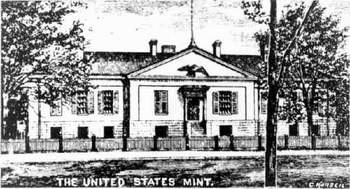
Eventually the structure was no longer used as a Mint. In the 1931, it was in danger of being razed. A group of concerned women stepped in to prevent its demolition. The Mint building was taken apart, the pieces carefully labeled, moved, and then reconstructed in the Eastover neighborhood of Charlotte.
In 1936, it opened as North Carolina’s first art museum, the Mint Museum of Art. This building still stands on the Eastover site. In the 1980s it was renovated. The “eagle” entrance, while still preserved, is no longer the main entrance.
Now the Mint Museum has moved to uptown Charlotte. The original Mint Museum building is still open for visitors and houses certain collections.
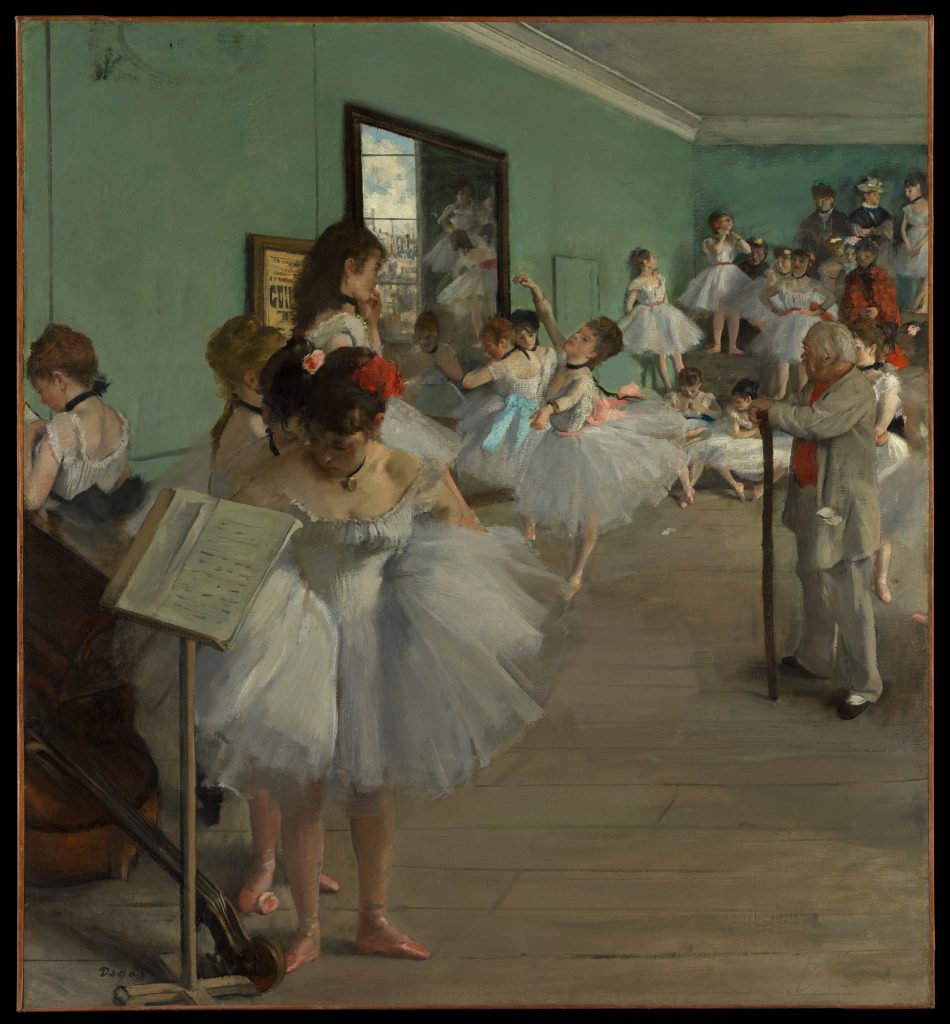
Representational Art
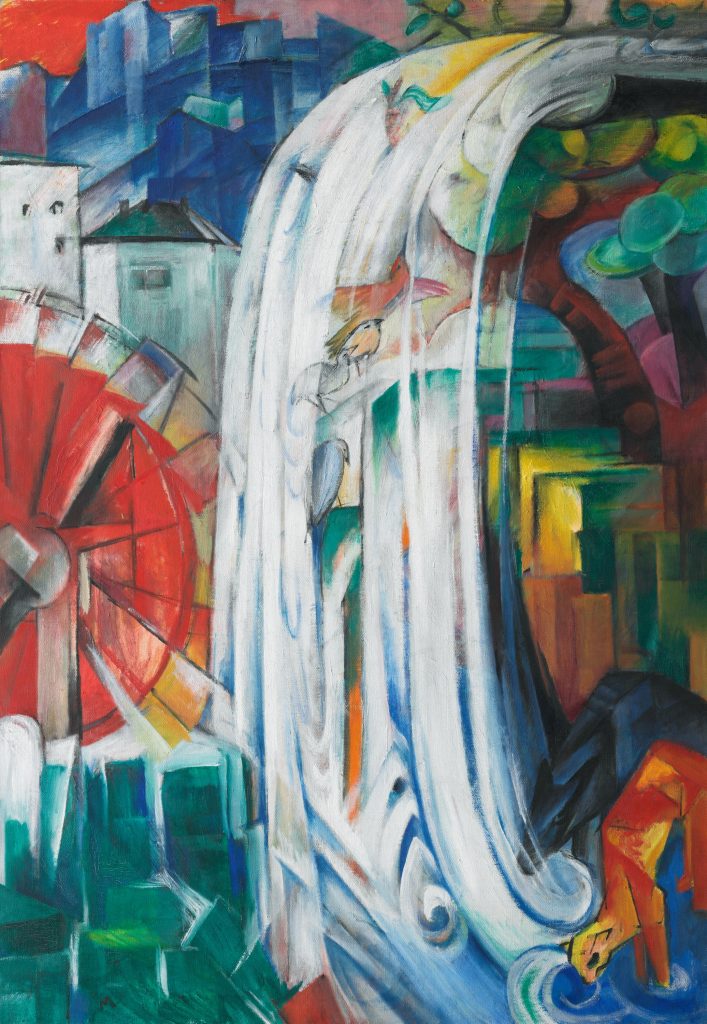
Abstract Art
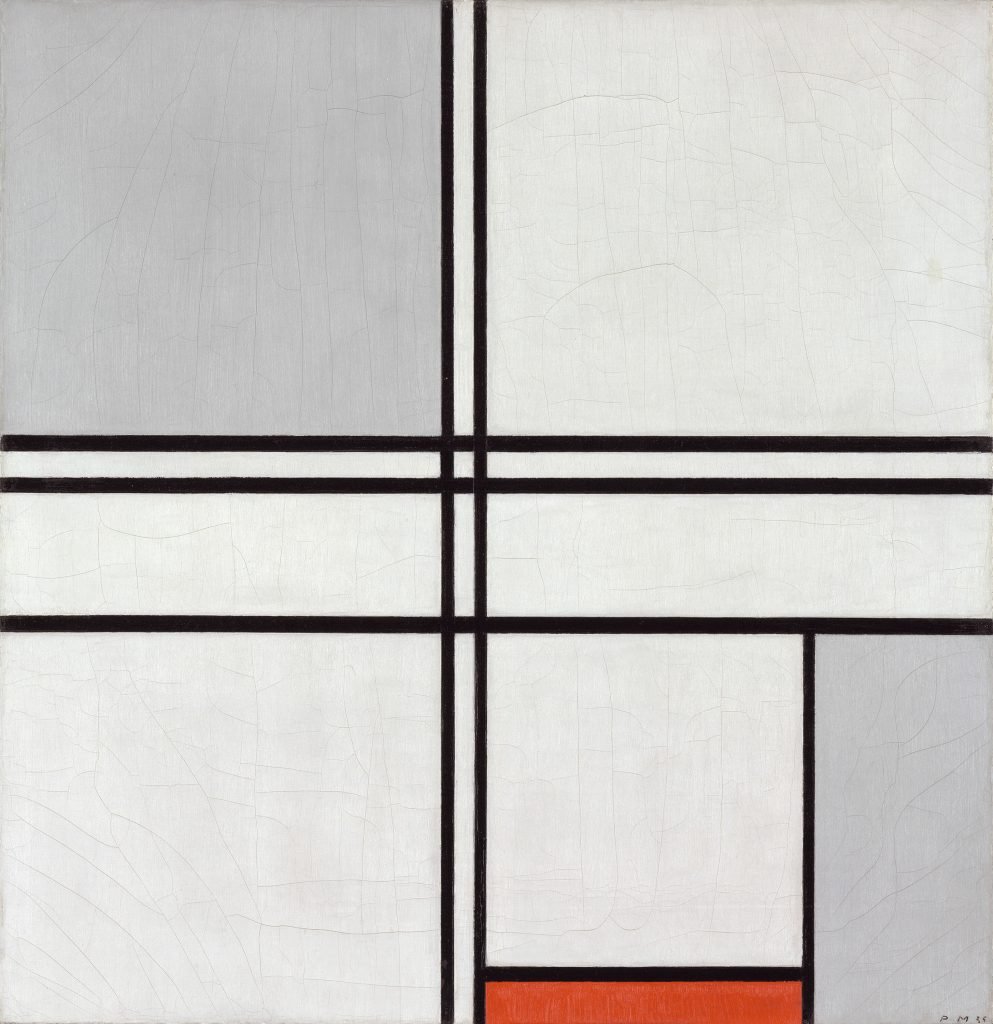
Non-objective Art